-
X-BULL 4WD Recovery Kit with Snatch Strap, Hitch Receiver and Bow ShacklesVendor:X-BULLGet ready to tackle any off-road recovery with the X-BULL 4WD Recovery Kit. Whether you're a seasoned off-roader or just getting started, this comprehensive kit has everything you need to handle the toughest situations and ensure you're prepared for any adventure. In the Box:...
- $299.00
- $299.00
- Unit price
- per
Australian Owned and Operated
Australian Based Support and Advice
Free Standard Shipping Australia Wide
Australian Owned and Operated
Australian Based Support and Advice
Free Standard Shipping Australia Wide
Australian Owned and Operated
Australian Based Support and Advice
Free Standard Shipping Australia Wide
Australian Owned and Operated
Australian Based Support and Advice
Free Standard Shipping Australia Wide
Australian Owned and Operated
Australian Based Support and Advice
Free Standard Shipping Australia Wide
Australian Owned and Operated
Australian Based Support and Advice
Free Standard Shipping Australia Wide
Australian Owned and Operated
Australian Based Support and Advice
Free Standard Shipping Australia Wide
Australian Owned and Operated
Australian Based Support and Advice
Free Standard Shipping Australia Wide
Australian Owned and Operated
Australian Based Support and Advice
Free Standard Shipping Australia Wide
Australian Owned and Operated
Australian Based Support and Advice
Free Standard Shipping Australia Wide

Popular Searches
Popular Products
Vendor:Campalot
Power Starlink Mini from your vehicle or battery with Anderson Plug Simplicity Bring fast, reliable internet anywhere with the Starlink Mini – 12V to 30V Anderson Plug Power Supply, designed for direct connection to your 12V battery via a standard grey Anderson plug. Whether...
- From $119.00
- From $119.00
- Unit price
- / per
Vendor:Campalot
Power Starlink Mini from your vehicle - Plug In and Go Stay connected off-grid with the Starlink Mini – 12V to 30V Cigarette Lighter Power Supply, built to run your Starlink Mini router directly from a vehicle’s cigarette lighter socket. Whether you're camped at...
- From $119.00
- From $119.00
- Unit price
- / per
Vendor:Campalot
Power Starlink Gen 3 from your vehicle - No Inverter, No Wiring Needed Enjoy seamless off-grid internet with the Starlink Gen 3 – Cigarette Lighter Plug 12 Volt Power Supply Converter, designed to power your Starlink router directly from a 12V vehicle socket. Whether...
- From $129.00
- From $129.00
- Unit price
- / per
Recovery Gear
Be Ready for Any Situation With Reliable 4WD Recovery Gear Every off-road driver knows one simple truth: sooner or later, you will get stuck. Whether you’re driving soft beach sand, climbing rocky tracks, exploring forest fire trails or crossing muddy ruts after rain, recovery gear is what gets you safely...
Be Ready for Any Situation With Reliable 4WD Recovery Gear
Every off-road driver knows one simple truth: sooner or later, you will get stuck. Whether you’re driving soft beach sand, climbing rocky tracks, exploring forest fire trails or crossing muddy ruts after rain, recovery gear is what gets you safely back on track.
This collection brings together the essential recovery equipment every 4WD, touring or camping vehicle should carry; including electric winches, recovery tracks, hitches, shackles, recovery kits and accessories. All products are selected for Australian conditions: heat, sand, mud, corrugations and real-world 4WD use.
What’s in This Recovery Gear Collection
✔ Recovery Hitches & Shackles
A reliable recovery starts with a safe connection point.
This category includes:
- Rear recovery hitches
- Bow shackles
- Soft shackles
- Rated D-shackles
- Heavy-duty tow hitch receivers
Each item is load-rated for genuine 4WD recoveries, giving you a safe recovery point designed for snatch straps, ropes or winching.
✔ Recovery Tracks
Recovery boards are one of the simplest and safest ways to get unstuck, especially in sand, mud and slippery terrain.
Benefits:
- Fast and easy self-recovery
- No external anchor required
- Lightweight and easy to mount
- Safe for solo travellers
- Perfect for beaches, dunes and wet tracks
Modern recovery tracks provide strong grip, reinforced teeth and UV-resistant construction for Australian conditions.
✔ Electric Winches
When tracks get tough and conditions deteriorate, a winch becomes one of the most reliable recovery tools.
Winches are ideal for:
- Solo off-road touring
- Rugged, rocky climbs
- Mud bogs
- Remote travel
- Vehicle-to-vehicle or anchor-point recoveries
Look for features such as:
- Waterproof motors
- Steel or synthetic rope
- Wireless remotes
- Sealed solenoids
- High pulling capacity (9,500–13,000lb for most 4WDs)
A winch provides controlled, safe recoveries when traction alone won’t do the job.
✔ Complete Recovery Kits
A recovery kit gives you everything you need in one grab-and-go bag, including:
- Snatch straps
- Bow/soft shackles
- Tree trunk protectors
- Dampeners
- Extension straps
- Hook accessories
- Gloves and storage bags
These kits are perfect for 4WD beginners and seasoned drivers alike — ensuring you always have the basics covered.
Why Every 4WD Needs Proper Recovery Gear
1. Safety
Improvised recoveries are dangerous. Using the right recovery-rated equipment reduces risk and protects both passengers and the vehicle.
2. Self-Reliance
Australia’s wild tracks often mean no phone signal and no help. Good gear lets you get out of trouble on your own.
3. Protection for Your Vehicle
Correct gear prevents damage to chassis, tow points and suspension components.
4. Smooth Touring
Whether you’re towing a camper trailer or heading to a beach campsite, reliable recovery equipment means you can take on new tracks confidently.
Building a Complete 4WD Recovery Setup
Every vehicle should carry:
1. Rated Recovery Points & Hitch
A safe vehicle recovery begins with a properly rated connection point.
2. Recovery Tracks
Your go-to for quick recoveries without external assistance.
3. Recovery Kit
Shackles, straps, tree protectors, the essentials.
4. Electric Winch (if touring remote)
Provides controlled recovery in mud, climbs and remote country.
5. Gloves, Dampeners & Safety Gear
Safety gear reduces whip-back risk and keeps hands protected.
6. Shovel (if possible)
Not glamorous, but extremely effective.
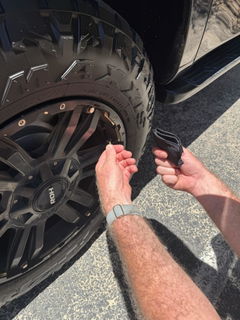
7. TPMS + Tyre Gear
Most recoveries start with tyre pressure adjustments, not straps.
Recovery is a whole system, and this collection covers the key components.
When to Use Each Recovery Tool
Recovery Tracks
- Best for sand, desert and beaches
- Quick and solo-friendly
- Great when no anchor exists
Snatch Strap / Kinetic Rope
- Best for soft bogs
- Used with a second vehicle
- Fast and high-energy
Winch
- Best for mud, steep ascents, rocky climbs
- Controlled, slow recoveries
- Ideal for solo travellers
Recovery Hitch + Shackles
- Safe connection point for straps and winches
- Replaces unsafe tow balls
- Essential for multi-direction recovery angles
Recovery gear is all about the right tool for the right situation.
Why Buy Recovery Gear From Campalot?
- Australian-owned with gear suited to local 4WD conditions
- Products tested for real off-road use
- Durable, reliable equipment only, no unsafe, uncertified gear
- Ideal for beginners, families, weekend warriors and remote tourers
- Fast Australia-wide delivery
- Clear, easy-to-understand product selection
Sidebar


Frequently Asked Questions About Recovery Gear
What recovery gear do I need for 4WD touring in Australia?
If you’re heading off-road in Australia, a proper 4WD recovery gear kit is essential, not optional.
The basic recovery setup every 4WD should carry includes:
• Recovery tracks
• Snatch strap (rated correctly)
• Rated recovery hitch
• Soft shackles or D-shackles
• Dampener blanket
• Tree trunk protector
• Gloves
For remote touring, many drivers also add:
• Electric winch (9,500lb–13,000lb for most 4WDs)
• Winch extension strap
• Shovel
Recovery tracks are often the first line of self-recovery in sand and mud. They allow you to regain traction quickly without needing another vehicle.
A properly rated 4WD recovery kit Australia ensures safe connection points for snatch recoveries. Never use a tow ball or unrated hardware, that’s dangerous and can cause serious injury.
If you’re travelling in remote areas like Cape York, the Kimberley or the Simpson Desert, having complete recovery gear provides independence and peace of mind.
Recovery is about preparation. The right equipment protects your vehicle, your passengers and other drivers on the track.
Are recovery tracks worth it for beach driving?
For beach driving in Australia, absolutely.
4WD recovery tracks are one of the safest and most effective ways to get unstuck in soft sand.
When tyre pressure alone isn’t enough, recovery boards provide instant traction under your tyres. They require:
• No second vehicle
• No anchor point
• Minimal setup time
• Low risk compared to high-energy snatch recoveries
For solo travellers, recovery tracks are often the first recovery tool deployed before using a strap or winch.
Modern recovery tracks feature:
• Reinforced traction teeth
• UV-resistant construction
• Heavy-duty load rating
• Lightweight design for easy mounting
On beaches, dropping tyre pressure to 12–18 PSI combined with recovery tracks often prevents the need for more aggressive recoveries.
Many experienced off-roaders consider recovery tracks essential for:
• Soft beach sand
• Desert dunes
• Muddy tracks
If you regularly drive on sand, quality recovery boards Australia are one of the smartest investments you can make.
They’re quick, safe and highly effective.
What’s the difference between a snatch strap and a winch?
This is one of the most searched 4WD recovery questions, and the difference matters.
A snatch strap recovery uses kinetic energy. When one vehicle accelerates forward, the strap stretches and transfers energy to pull the stuck vehicle free. It’s fast and effective for:
• Soft sand bogging
• Mud
• Light recovery situations
However, snatch recoveries require:
• A second vehicle
• Properly rated recovery points
• Safe technique
• A dampener for safety
A 4WD electric winch, on the other hand, provides controlled, slow pulling power. It’s ideal for:
• Solo recovery
• Steep rocky climbs
• Deep mud
• Situations requiring precision
Winches use either steel cable or synthetic rope and require a secure anchor point such as a tree (with a tree protector).
In short:
Snatch strap = faster, requires another vehicle.
Winch = slower, controlled, works solo.
Many serious tourers carry both as part of a complete recovery setup.
Choosing between them depends on where you travel and whether you typically drive in convoy.
Do I need a rated recovery hitch or can I use my tow ball?
You must never use a tow ball for recovery.
Using a tow ball for snatch recovery is extremely dangerous and has caused serious injuries across Australia.
A rated recovery hitch for 4WD replaces the tow ball and provides a safe, load-rated connection point for snatch straps or winch hooks.
Recovery hitches are designed specifically for:
• Snatch strap recoveries
• Kinetic rope use
• Multi-direction pulling
• High load situations
They are built from hardened steel and rated for genuine recovery loads.
When building a proper 4WD recovery kit, a recovery hitch is one of the most important components.
Pair it with:
• Rated soft shackles or bow shackles
• Dampener blanket
• Snatch strap
Safety in recovery is about eliminating weak points. Tow balls are designed for towing trailers — not shock-loading during recovery.
Investing in a rated recovery hitch protects both vehicles and everyone nearby during a recovery operation.
What should be in a complete 4WD recovery kit?
A properly equipped 4WD recovery kit Australia should contain everything needed for safe vehicle recovery.
A standard kit includes:
• Snatch strap (rated to suit vehicle weight)
• Bow shackles or soft shackles
• Tree trunk protector
• Recovery hitch
• Dampener blanket
• Heavy-duty gloves
• Storage bag
More advanced setups may include:
• Electric winch
• Winch extension strap
• Recovery tracks
• Shovel
A complete recovery kit ensures you’re prepared for:
• Beach driving
• Mud bogs
• Rocky hill climbs
• Remote touring
Recovery gear should always be:
• Load rated
• Built for off-road recovery
• Stored safely
• Inspected regularly
Improvised recoveries cause damage and serious injury.
For Australian conditions, heat, sand, corrugations and remote tracks, carrying proper 4WD recovery equipment isn’t about being extreme. It’s about being responsible.
Prepared drivers stay on the track longer and recover safely when things go wrong.
- Choosing a selection results in a full page refresh.